Creative craft
Inside The SAWA Lotion Ad – A Conversation with Viyerrah Wagarra
2025 stood out as one of the most lit years in Kenyan marketing, full of ad campaigns that made consumers fall in love with brands all over again. At the tail end of the year, ISA got the honour of walking behind the scenes of one of them.
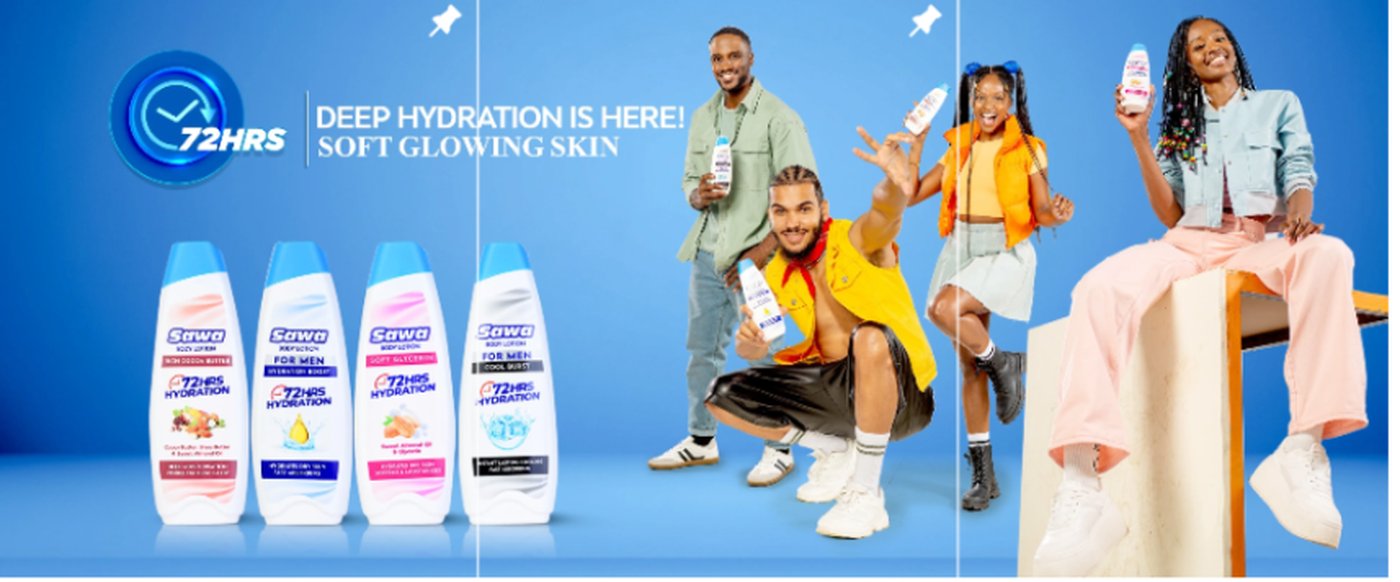
On September 5th, Pwani Oils launched Sawa Body Lotion. It could have been just another brand extension that fell under the radar, but the relaunch was briefed by Caroline Ntinyari, ex Diageo and Unilever, to House of Panache (HOP), led by creative Viyerra Waigarra. By October 2025, a jingle from the campaign was on the radio: "Sawa smooth, sawa fresh, niko sete, niko fine, niko best." It felt like part of the show's own playlist rather than a commercial, and at a time when the industry conversation was all about contextual advertising, this campaign put Kenya on the map. ISA sat down with Viyerra to get an in-depth behind-the-scenes look at the SAWA Lotion campaign.
ISA: So what was the brief?
Viyerra (HOP): The brief was simple on paper but heavy in reality. Pwani wanted to relaunch SAWA Lotion, but they were stepping into a beauty category oversaturated with whitening claims, clinical language, and copy-paste fragrance stories. SAWA needed cultural relevance, emotional resonance, and a fresh identity that could speak to a generation redefining beauty on its own terms. We won the brief because we came in with four cultural truths about young Kenyans: they follow rituals, not routines; skincare is lifestyle content now, not a chore; male grooming is rising but brands still talk about it in cold, clinical language; and Gen Z demands authenticity and sensory experience over airbrushed perfection. That insight led us to reframe the entire brand. SAWA is not lotion. SAWA is a daily hydration ritual.
ISA: How did you make it feel like part of the playlist?
Viyerra (HOP): The campaign didn't begin with a script, it began with behaviour. Kenya's 20 to 35 demographic doesn't attend product launches, they experience them, capture them, and share them. Their mornings are soundtracked by Afro-lofi, movement, hustle, creativity, so we made a strategic leap: make the ad feel like a mood you'd save, not a message you'd skip. That meant leaning into Nairobi morning rituals, dance culture, skating, street sports, and POV filming styles native to TikTok. We worked with Dillie to build a sonic bed designed as a playlist vibe rather than a brand mnemonic. That jingle wasn't supposed to sound like an ad, it was supposed to sound like the next song you'd add to your morning playlist. The result was a campaign that didn't interrupt culture, it blended with it.
ISA: What was the actual process like?
Viyerra (HOP): At HOP, collaboration is built into the DNA. We curate a taskforce where insight, creativity, and production all move in the same rhythm: Phillip Ranja on content direction, Matt Gathui on static key visuals, myself leading creative and copy, Doreen Mwithi producing, Enos Olik directing the kinetic visual storytelling, Dillie building the Afro-lofi sonic identity, Patrick St. P Mbaru capturing Nairobi's real sound textures, Brian Babu on styling, Ace of Face and Makeup by Bilha on the natural aesthetic, Samuel Owino Bodo finding real Nairobi locations, Dale Kotengo building the physical SAWA world, and Robert Safari editing the final rhythmic cut. We follow the HOP six-step methodology: investigate, strategy, creative, immersion, engagement, evaluation. One memorable moment: during filming, local skaters saw what we were doing and just joined in, unscripted, raw, real Nairobi energy. Enos rolled with it and we kept it in the final cut, and it became a fan favourite online. When culture recognises itself in your work, it completes the story for you.
ISA: What was the toughest part, and what surprised you?
Viyerra (HOP): The greatest challenge was balancing premium polish with authenticity. Too glossy and it feels foreign, too raw and you lose the aspirational value. What I'm most proud of is the community response: Kenyan youth didn't just watch the content, they completed it, creating thousands of ritual videos and making #OwnYourRitual their own. What surprised me was the strong male engagement. We moved away from whitening and vanity narratives, and guys showed up in ways we didn't expect, which validated everything we believed about the shift happening in grooming culture.
ISA: You leaned on selling emotion instead of product. Did it work?
Viyerra (HOP): At House of Panache we're built on a simple belief: emotion sells, culture sticks, insight leads. We don't start with the product, we start with the human truth, then find the brand's role in that story. The numbers tell the rest: 3M+ reach, 49M digital impressions, 47M+ social views, 98,451+ engagements, a YouTube view-through rate of 78.18%, and #OwnYourRitual landed as a top-three beauty hashtag in Kenya. Brand awareness lifted from 49% to 73%, with a UGC explosion of thousands of ritual videos and male participation exceeding projections. Commercially, sales lifted 29%, from KSh 8.37T to 10.77T, and the campaign earned 35 press clippings worth KSh 27M+ in PR value at 100% positive sentiment. The SAWA relaunch didn't just meet its KPIs, it exceeded them across every front and repositioned SAWA as a modern, inclusive, culturally resonant lifestyle brand. That's the House of Panache difference: we don't just make ads, we make movements.